-
×
 Unrecorded separate issue, and a possible prototype
1 × £2,500
-
×
 “Very nobly furnished, and… richly bound and gilded” (John Evelyn)
1 × £220,000
-
×
 Dighton’s caricature map of England and Wales
1 × £1,700
-
×
 Karimata Strait
1 × £250
-
×
 Dalrymple proposes an EIC settlement on Balambangan
1 × £370
-
×
 The most accurate representation of the West Indies and its environs
1 × £20,000
-
×
 Set of Cook’s three voyages, with the plates and maps bound separately in three atlas volumes
1 × £50,000
-
×
 “A work of conscious art” (Firzhardinge)
1 × £3,000
-
×
 The Great Barrier Reef
1 × £950
-
×
 Northern Africa
1 × £2,000
-
×
 A striking map of North Africa, Sardinia and Sicily from the 1482 Ulm Ptolemy
1 × £7,500
-
×
 Catalogue LI: The Andrew Edmunds Collection of Caricature - Original Drawings
1 × £50
-
×
 Views of Tangiers
1 × £1,500
-
×
 A striking map of Southeast Asia from the 1482 Ulm Ptolemy
1 × £37,500
-
×
 Ptolemy’s first projection, with the “finest Ptolemaic plates produced until Gerard Mercator”
1 × £300,000
-
×
 The Maldives, Sri Lanka and India
1 × £200
-
×
 Views of Tangiers
1 × £4,000
-
×
 Separate issue
1 × £3,000
-
×
 The Celebes Sea
1 × £1,000
-
×
 The Gaspar Strait
1 × £250
-
×
 The Gulf of Thailand
1 × £400
-
×
 The Gulf of Thailand
1 × £1,500
-
×
 Trade card for maker of Philosophical Instruments
1 × £2,800
-
×
 Catalogue XXVIII: Sic itur ad astra
2 × £15
-
×
 Catalogue XV
1 × £15
-
×
 Australia revealed
1 × £18,000
 “Very nobly furnished, and… richly bound and gilded” (John Evelyn)
 Dighton’s caricature map of England and Wales
 Karimata Strait
 Dalrymple proposes an EIC settlement on Balambangan
 The most accurate representation of the West Indies and its environs
 Set of Cook’s three voyages, with the plates and maps bound separately in three atlas volumes
 “A work of conscious art” (Firzhardinge)
 The Great Barrier Reef
 Northern Africa
 A striking map of North Africa, Sardinia and Sicily from the 1482 Ulm Ptolemy
 Catalogue LI: The Andrew Edmunds Collection of Caricature - Original Drawings
 Views of Tangiers
 A striking map of Southeast Asia from the 1482 Ulm Ptolemy
 Ptolemy’s first projection, with the “finest Ptolemaic plates produced until Gerard Mercator”
 The Maldives, Sri Lanka and India
 Views of Tangiers
 Separate issue
 The Celebes Sea
 The Gaspar Strait
 The Gulf of Thailand
 The Gulf of Thailand
 Trade card for maker of Philosophical Instruments
 Catalogue XXVIII: Sic itur ad astra
 Catalogue XV
 Australia revealed


Rare Maps
Rare Atlases
Rare Books
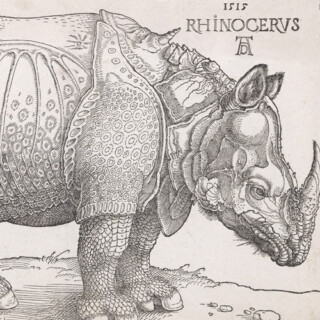
Rare Prints